
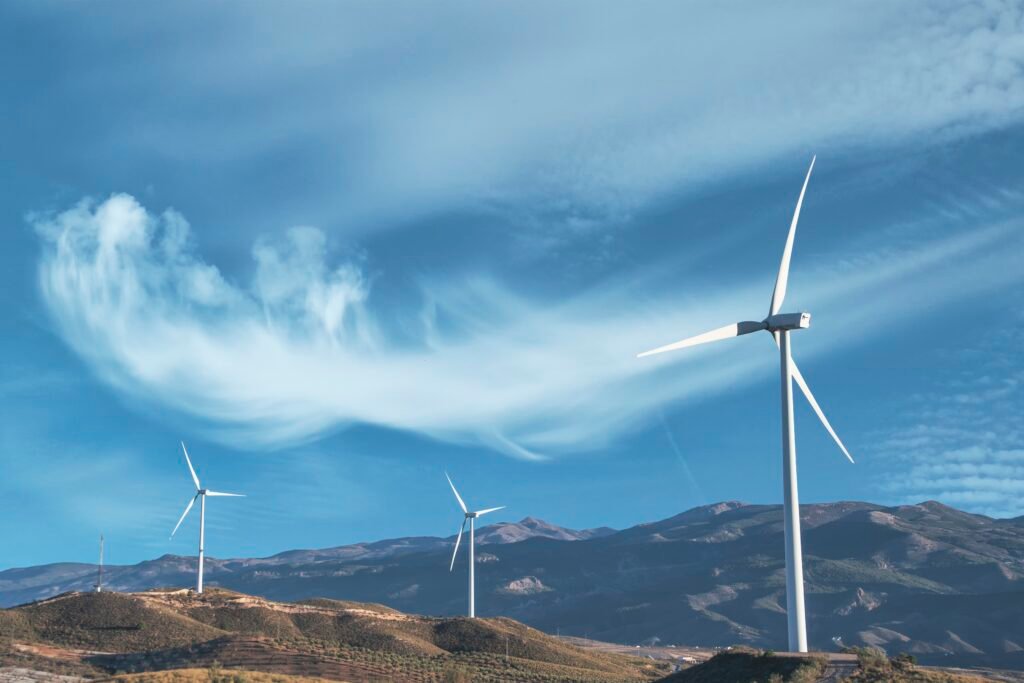
Introduction to Green Energy
Green energy refers to the sustainable and environmentally friendly power derived from renewable resources, which have minimal impact on the environment. The significance of green energy lies in its ability to facilitate sustainable development and promote environmental protection. As global awareness of climate change and its detrimental effects grows, the transition from fossil fuels to renewable energy sources becomes crucial for reducing greenhouse gas emissions and combating global warming.
One of the primary sources of green energy is solar energy, harnessed from sunlight using photovoltaic panels or solar thermal systems. This abundant resource presents a significant opportunity for reducing dependence on conventional energy sources. Wind energy, another major contributor, is generated by converting the kinetic energy produced by wind into electricity using turbines. Wind farms, both onshore and offshore, have become increasingly prevalent and demonstrate how landscapes can be utilized for energy generation while maintaining ecological balance.
Hydropower is also a core component of the green energy framework, utilizing flowing water to produce electricity. By building dams or utilizing runs of river systems, this form of energy can supply large amounts of power in a regulated and sustainable manner. Additionally, geothermal energy taps into the Earth’s internal heat, providing a reliable and consistent energy source that is less susceptible to fluctuations compared to solar or wind energy.
Each of these renewable resources plays a vital role in reducing carbon footprints, promoting energy independence, and contributing to a cleaner, healthier planet. As technology continues to advance, the integration of green energy into the global energy grid will facilitate economic growth while safeguarding environmental sustainability. The importance of harnessing these energy sources cannot be overstated, as they are essential for achieving a sustainable future for generations to come.
The Science Behind Green Energy
Green energy derives from natural sources that are replenished over short periods, making it an essential component of sustainable development. The scientific principles underlying this form of energy primarily involve energy conversion, efficiency, and the harnessing of renewable resources through natural processes. Energy conversion refers to transforming energy from one form to another, such as converting kinetic energy from wind into electrical energy using turbines. This process highlights the efficiency of renewable sources, which is a critical factor in determining the viability of green energy technologies.
At the core of these principles lies thermodynamics, the branch of physics concerned with heat and temperature in relation to energy and work. The laws of thermodynamics dictate how energy flows and converts between different forms. For instance, when we tap into wind energy using wind turbines, the kinetic energy of wind is converted to mechanical energy, which is then transformed into electrical energy. This conversion process must adhere to the efficiency limits set by thermodynamic principles, which establish the maximum amount of useful work that can be extracted from a given energy source.
Moreover, energy sustainability is a key factor in the discussion of green energy. It involves ensuring that energy resources being utilized do not deplete or diminish over time. By relying on renewable resources—such as solar, wind, hydro, and geothermal energy—societies can mitigate the impacts of fossil fuel consumption, which contributes to environmental degradation and climate change. The continual advancement of technologies aimed at improving the efficiency of energy conversion processes is crucial for maximizing the benefits of these sustainable practices. As the world increasingly embraces green energy, the scientific principles behind it become essential for fostering a knowledge base that supports ongoing innovation and development in this sector.
Types of Green Energy Sources
Green energy encompasses a variety of renewable energy sources that generate electricity with minimal environmental impact. Understanding these sources enables better adoption of sustainable energy solutions. The most prominent types of green energy include solar energy, wind energy, hydroelectric power, geothermal energy, and biomass.
Solar energy harnesses sunlight through photovoltaic cells or solar thermal systems, converting it into electricity. One of the key advantages of solar energy is its scalability; it can be employed in both residential and commercial settings. Additionally, the declining costs of solar panels have increased accessibility, although challenges persist, including the intermittent nature of sunlight and the need for adequate storage solutions.
Wind energy generates power through wind turbines that capture kinetic energy from moving air. It is particularly advantageous due to its low operating costs and minimal emissions. However, the effectiveness of wind energy relies heavily on geographic location and wind patterns, which can lead to variability in energy production. Furthermore, concerns regarding noise and impacts on wildlife must be addressed to facilitate wider acceptance.
Hydroelectric power, derived from flowing water, is one of the oldest and most established forms of green energy. It is highly efficient and capable of generating substantial electricity. Nevertheless, the construction of dams may lead to ecological and social challenges, including habitat disruption and displacement of local communities.
Geothermal energy exploits the heat stored beneath the Earth’s surface, providing a reliable and steady source of energy. Though its potential is immense, geothermal resources are site-specific, and development can be costly. Finally, biomass energy utilizes organic materials, such as agricultural residues and waste, to produce electricity through combustion or conversion processes. While it offers a renewable solution, sustainability concerns regarding land use and emissions from burning biomass must also be considered.
What is a Turbine?
A turbine is a mechanical device that converts kinetic energy from a fluid into mechanical energy, which can be used for various applications, including the generation of electricity. This transformation typically occurs when a fluid, such as air or water, flows through the turbine and causes its blades to spin. The spinning motion is then harnessed to drive a generator, creating electric power. Turbines are essential components in many energy generation systems, particularly within the realm of green energy.
In the context of green energy, turbines play a crucial role in both wind and hydroelectric power generation. Wind turbines, for instance, utilize aerodynamic blades to capture the energy from wind currents. The design of the turbine is optimized to harness wind’s kinetic energy efficiently, converting it into rotational energy that powers a generator. This process not only provides a sustainable energy source but also reduces reliance on fossil fuels, thereby contributing to a more environmentally friendly energy mix.
Similarly, hydroelectric turbines operate by exploiting the energy of flowing or falling water. In a hydroelectric power station, the movement of water through the turbine generates mechanical energy as the turbine blades rotate. This rotation is subsequently converted into electrical energy through a generator. Hydropower is one of the oldest and most reliable forms of renewable energy, and turbines are at its core.
As the global demand for clean energy grows, the significance of turbines in green energy generation becomes increasingly evident. Their ability to convert natural forces like wind and water into usable power demonstrates the potential of renewable resources to meet energy needs in a sustainable manner. Understanding turbines and their functionality is therefore essential in comprehending the broader landscape of green energy advancements.
How Turbines Work in Energy Generation
Turbines play a crucial role in the generation of energy, primarily by converting kinetic energy into electrical energy. This process involves a series of mechanical components designed to harness the energy of moving fluids, such as air and water. At the most fundamental level, turbines operate based on the principle of rotational motion; when a fluid, either in the form of wind or water, flows through the turbine, it causes the blades to rotate. This rotation is essential for driving generators that produce electricity.
There are two main types of turbines widely utilized for energy generation: wind turbines and hydraulic (or water) turbines. Wind turbines are commonly found in wind farms, where they harness wind energy to produce electricity. The design of a wind turbine typically includes a rotor with several blades, a nacelle that houses various components, and a tower to elevate the rotor to greater heights for efficiency. As the wind blows, it creates a difference in air pressure, pushing against the blades and causing them to spin. This rotational energy drives a generator, which converts the kinetic energy of the wind into electrical energy.
On the other hand, hydraulic turbines utilize the flow of water to generate energy. This type of turbine is often found in hydroelectric power plants. Hydraulic turbines are submerged in water, where they convert the potential energy of water stored at heights into kinetic energy as it flows down. The water’s flow turns the turbine blades, which again drives a generator to produce electricity. Types such as Pelton, Francis, and Kaplan turbines are designed to operate efficiently under varying conditions and water flows, exploiting the unique properties of water.
The engineering principles governing turbine design involve considerations of fluid dynamics, materials science, and mechanical engineering. Engineers aim to optimize the efficiency of turbines by analyzing the aerodynamic properties of blades and their interaction with the fluid flow, ensuring maximum energy conversion.
The Benefits of Using Turbines in Green Energy
Turbines play a pivotal role in the generation of green energy, providing a multitude of advantages that contribute significantly to enhancing energy production and sustainability. One of the most prominent benefits of using turbines is their efficiency in converting natural resources into energy. Wind turbines, for instance, can convert a large percentage of wind energy into electricity, making them highly efficient compared to other methods of energy generation. Similarly, hydroelectric turbines effectively transform the kinetic energy from flowing water into usable electrical energy, optimizing the use of renewable resources.
The scalability of turbine technology further enhances its appeal in green energy initiatives. Turbines can be deployed on various scales, from small residential installations to large-scale wind farms and hydroelectric plants. This adaptability allows for flexibility in energy solutions that can cater to both local communities and larger urban areas, thus fostering broader implementation of green energy systems.
Moreover, turbine-based energy generation significantly reduces the environmental impact associated with fossil fuels. By harnessing renewable resources such as wind and water, turbines help mitigate greenhouse gas emissions, contributing to a cleaner and healthier planet. This reduction in harmful emissions is vital for addressing climate change and promoting environmental sustainability.
Lastly, the deployment of turbines in energy generation bolsters energy independence. By utilizing local renewable resources, countries can reduce their reliance on imported fossil fuels, enhancing energy security and stability. This transition to green energy not only supports sustainable practices but also nurtures economic growth through job creation and investment in new technologies. Overall, the advantages of turbines in green energy underscore their crucial role in supporting a sustainable future and advancing the global transition towards renewable energy sources.
Challenges and Limitations of Turbines
While turbines play a critical role in the generation of green energy, they are not without their challenges and limitations. One of the foremost issues is the initial capital cost associated with setting up turbine systems, particularly for wind and hydropower installations. The procurement of land, equipment, and the construction of the necessary infrastructure demands substantial investment. Consequently, the high upfront costs may deter potential investors and limit accessibility for smaller renewable energy projects.
Maintenance needs also pose a significant challenge within turbine operations. Although advancements in technology have improved the reliability and efficiency of turbines, regular upkeep is essential for ensuring optimal performance. Maintenance activities can be costly and may require specialized skills or equipment, which can further strain resources. The need for ongoing maintenance highlights the importance of strategic planning and investment in innovative solutions to enhance the durability of turbine systems.
Geographical limitations present another hurdle for the deployment of wind and hydropower turbines. Wind turbines require specific wind conditions to operate efficiently, and their effectiveness can be significantly influenced by local climate patterns. Similarly, hydropower installations depend on the availability and flow of water resources, necessitating a careful assessment of site suitability. This geographical dependency can restrict the potential for turbine-based renewable energy in certain regions, limiting the overall growth of green energy infrastructure.
Moreover, environmental concerns related to turbine installations cannot be overlooked. Wind turbines, for example, have been implicated in bird and bat mortality, while hydropower can disrupt aquatic ecosystems and local habitats. Lastly, technological constraints, such as energy storage and grid integration, need to be addressed to maximize the effectiveness and sustainability of turbine-generated energy. Therefore, understanding and mitigating these challenges is crucial for advancing the role of turbines in the green energy landscape.
Future Trends in Turbine Technology and Green Energy
The future of turbine technology is poised to play a pivotal role in the advancement of green energy, with several emerging trends transforming the landscape. One significant innovation is the development of floating wind turbines. These turbines are designed to harness wind energy in deeper waters, where wind speeds are typically higher and more consistent. By utilizing floating platforms, the potential for wind farms expands beyond coastal areas, opening new opportunities for harnessing renewable energy.
In addition to floating turbine technology, advancements in construction materials are also noteworthy. The use of lightweight, high-strength materials such as carbon fiber and advanced composites is becoming increasingly common. These materials can enhance the structural integrity of turbines while also reducing the weight, which enables larger blades that capture more wind energy. The combination of innovative materials and design allows for turbines that are not only more efficient but also more durable, resulting in lower maintenance costs and longer operational lifespans.
Another trend contributing to the future of green energy is the integration of hybrid systems, which combine multiple renewable energy sources. For instance, wind turbines paired with solar energy panels create a composite system that can maximize energy production throughout varying weather conditions. This hybrid approach offers increased reliability and efficiency while mitigating the limitations associated with relying solely on one form of energy. As advancements in turbine technology continue to emerge, the potential for optimizing energy output will improve, enhancing the overall impact of green energy initiatives.
These innovations in turbine technology are essential for advancing the global push towards sustainable energy solutions. By embracing such emerging trends, the transition to greener energy sources can be further accelerated, aligning with international efforts to combat climate change and promote environmental sustainability.
Conclusion: The Role of Turbines in Sustainable Energy Solutions
In the discourse surrounding green energy, turbines emerge as a pivotal component in evolving sustainable energy solutions. Wind and hydroelectric turbines function as the backbone of renewable energy systems by harnessing natural elements to produce electricity. These machines convert kinetic energy from wind or flowing water into mechanical energy, ultimately generating power while exhibiting minimal environmental impact. This transformation signifies an essential step towards reducing reliance on fossil fuels, which are closely linked to greenhouse gas emissions and climate change.
The engineering of turbines has seen remarkable advancements, enhancing their efficiency and capacity to capture and convert energy. Wind turbines, for instance, are now designed with larger blades and optimized structures to maximize energy production even in low-wind conditions. Similarly, hydro turbines have been refined to improve performance in various water flow scenarios, ensuring that waste is minimized, and output is maximized. The focus on turbine technology demonstrates a clear commitment to bolstering the renewable energy sector, ultimately supporting global efforts to transition towards cleaner energy sources.
Furthermore, the implementation of turbine systems aligns with broader sustainability objectives, contributing to economic growth and energy independence. By investing in and supporting renewable energy initiatives, communities and governments can create jobs, stimulate local economies, and enhance resilience against fluctuating fossil fuel markets. As the world prioritizes the need for clean energy, the role of turbines in this paradigm shift cannot be overstated.
In summary, turbines are integral to the future of sustainable energy solutions. They not only exemplify the innovative spirit of renewable technologies but also symbolize the collective effort toward a greener, cleaner energy future. As we embrace these advancements, supporting and advocating for renewable energy initiatives becomes essential for ensuring a sustainable planet for future generations.
About the Author





uqklmqfukoydmrzqntdlkiqdvpovqn