Introduction to Data Centers
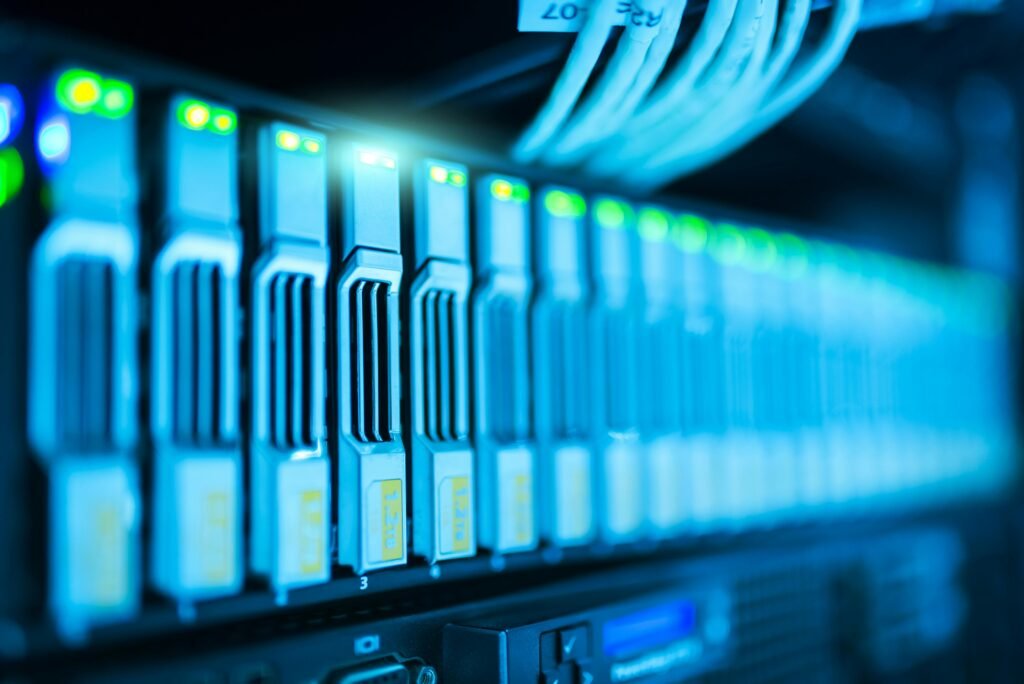
A data center is a dedicated facility that houses an organization’s IT operations and equipment, including servers, storage systems, and networking infrastructure. It serves as the backbone of the digital world, facilitating the storage, processing, and management of vast amounts of data. In an era where information is a vital asset, data centers play a crucial role in ensuring business continuity and operational efficiency.
Within a data center, a variety of components work together harmoniously to provide reliable and secure operations. These include powerful servers that process data, high-capacity storage systems that retain this data, and robust networking equipment that enables communication between different system elements. Additionally, advanced cooling and power systems are essential to maintain optimal operating conditions, thereby safeguarding the integrity and performance of the hardware.
In today’s digital landscape, data centers are indispensable for businesses and organizations of all sizes. They support a wide array of functions, from hosting websites and applications to enabling cloud computing services and big data analytics. As companies increasingly rely on data to make informed decisions and drive growth, the demand for reliable data centers continues to rise.
The importance of data centers extends beyond just data storage; they are integral to countless operations, including disaster recovery strategies, cybersecurity measures, and regulatory compliance efforts. Consequently, the effective management and maintenance of data centers is a growing field, with innovations continually evolving to enhance energy efficiency, security, and scalability.
Key Components of a Data Center
A data center is a centralized facility that houses a collection of IT assets and infrastructure. Understanding its key components is crucial for comprehending its functionality and operations. Four primary elements form the backbone of any data center: servers, storage systems, networking equipment, and backup power supplies.
Servers are the heart of a data center, serving as the computing engines that process data and run applications. They come in various forms, including rack-mounted servers, blade systems, and tower servers. Each type offers different performance levels and physical space requirements. By working together, servers execute tasks efficiently and manage workloads through virtualization, which enhances resource utilization.
Storage systems are responsible for retaining data processed by servers. These systems can be further categorized into traditional hard disk drives (HDDs), solid-state drives (SSDs), and storage area networks (SANs). Selecting the right storage solution is essential for ensuring that data is quickly accessible and securely maintained. Good storage management practices facilitate better data retrieval times and enhance overall productivity.
Networking equipment connects servers and storage systems, allowing data to flow seamlessly between resources. Routers, switches, and firewalls are critical networking devices that manage traffic within the data center and maintain secure connections to external networks. Efficient network design optimizes communication, reducing latency and improving performance.
Backup power supplies are vital for maintaining operational continuity. Data centers often deploy uninterruptible power supplies (UPS) and backup generators to ensure that critical systems remain operational, even in the event of power interruptions. This redundancy is essential in mitigating downtime and protecting against data loss. By integrating these components, a data center can support robust and reliable IT infrastructure, vital for any organization relying on digital services.
Types of Data Centers
Data centers serve as the backbone of IT infrastructure, housing critical applications and data. There are several types of data centers, each tailored to specific needs and functionalities.
Enterprise Data Centers are private facilities owned and operated by organizations to manage their own data. These data centers are customized to meet the organization’s specifications, providing full control over hardware, software, and security protocols. Typical use cases include large corporations that require dedicated infrastructure for applications that handle sensitive information or need customized hardware setups.
Colocation Data Centers are facilities where multiple businesses can rent space for their servers and network equipment. In a colocation environment, companies benefit from shared infrastructure while maintaining control over their data and equipment. This model is ideal for businesses that wish to reduce costs associated with building and maintaining their own data centers but still need a reliable, secure space with access to key resources such as power and cooling.
Managed Services Data Centers combine the physical data center infrastructure with expert management services. These facilities often offer a range of managed services that can include network monitoring, backup solutions, and disaster recovery. Organizations may choose this model when they lack in-house expertise or resources to manage their IT systems effectively.
Cloud Data Centers represent a shift towards virtualized resources, allowing users to access data and applications over the internet. They provide scalable resources and flexibility, enabling businesses to meet fluctuating demands without the need for significant investment in physical hardware. Cloud data centers are increasingly used by companies looking to optimize their IT infrastructure.
Each type of data center presents distinct advantages and use cases, which organizations must carefully consider when determining the best fit for their operational needs. Choosing the right type can significantly improve efficiency and align with business goals.
How Data Centers Operate
Data centers are complex facilities that serve a critical role in the modern digital landscape by providing the infrastructure necessary for data processing, storage, and access. At their core, data centers are designed to house servers and network equipment, enabling organizations to operate their IT systems efficiently and securely.
One of the fundamental principles of data center operations is virtualization. Virtualization technology allows multiple virtual servers to run on a single physical server, which enhances resource utilization and increases efficiency. By abstracting the physical hardware, organizations can manage workloads more effectively, scale operations dynamically, and reduce hardware costs. This technology also facilitates better disaster recovery solutions by enabling the rapid deployment of virtual instances across different physical locations.
Data redundancy is another essential concept in data center operations. This is achieved by maintaining multiple copies of critical data across different storage systems or locations. Redundancy ensures that in case of a hardware failure or unexpected outage, access to data remains uninterrupted. Implementing data redundancy not only increases the reliability of the systems but also enhances data integrity, protecting critical information from loss or corruption.
Load balancing is also a key component in managing workloads within a data center. Load balancers distribute incoming network traffic across multiple servers, preventing any single server from becoming overwhelmed. This approach not only optimizes resource use but also improves response time and minimizes downtime. By ensuring that no server is burdened disproportionately, load balancing enhances the overall performance and reliability of data center operations.
Importance of Security in Data Centers
Ensuring security in data centers is of paramount importance, given the critical role these facilities play in the storage and processing of sensitive information. Data security encompasses several layers, including physical security measures, network security protocols, access controls, and adherence to regulatory compliance.
Physical security is the foundation of any data center’s security strategy. This involves safeguarding the physical infrastructure from unauthorized access or potential threats. Common measures include the implementation of surveillance cameras, security guards, biometric access controls, and secure perimeters such as fences and gates. These precautions are essential in preventing unauthorized individuals from gaining access to sensitive equipment and data.
On the network security front, data centers employ various techniques and tools to protect against cyber threats. Firewalls, intrusion detection systems (IDS), and regular software updates are crucial to thwart potential hacking attempts and malware attacks. Moreover, utilizing encryption technologies ensures that data remains secure during transmission across networks, minimizing the risk of data breaches.
Access controls further enhance security by regulating who can enter and manipulate data within the data center. Organizations often implement role-based access controls (RBAC), ensuring that staff can only access the data and systems necessary for their work. This principle of least privilege is critical in limiting potential points of vulnerability.
Finally, compliance with industry regulations, such as the General Data Protection Regulation (GDPR) and the Health Insurance Portability and Accountability Act (HIPAA), underscores the importance of data protection. Adhering to these compliance mandates not only safeguards customer data but also helps organizations avoid substantial fines and legal repercussions.
Energy Efficiency and Cooling Systems
Energy efficiency has become a critical focus in the design and operation of data centers. Given their substantial energy consumption, data centers are increasingly expected to implement practices that minimize energy use while maintaining optimal performance levels. The efficiency of a data center’s energy consumption can significantly impact operational costs, as well as contribute to environmental sustainability through reduced carbon emissions.
One of the primary strategies to enhance energy efficiency is the use of advanced cooling systems. These systems are indispensable for managing the heat generated by servers and networking equipment. Traditional cooling methods, such as air conditioning, can be inefficient and costly, leading the industry to adopt a range of innovative cooling technologies. Among these, liquid cooling has emerged as a highly effective solution, where direct contact between liquid coolant and heat-producing components allows for faster and more efficient heat removal.
Furthermore, many data centers are now implementing best practices recommended by industry standards, such as the Green Grid’s PUE (Power Usage Effectiveness) metric. This metric allows data center operators to measure and improve their energy efficiency by comparing the total energy consumed by the facility to the energy used by the IT equipment alone. A lower PUE indicates a more energy-efficient setup, highlighting the successful integration of cooling solutions.
Additional advancements in cooling technology include hot aisle and cold aisle containment strategies, which optimize airflow management and further reduce energy consumption. Overall, the combination of innovative cooling systems and adherence to energy efficiency standards not only enhances data center reliability and performance but also promotes sustainability goals by reducing overall electricity demand.
Challenges Facing Data Centers Today
In the rapidly evolving landscape of technology, data centers are encountering a range of challenging issues that impact their operations and strategic planning. One predominant challenge is the increasing threat of cybersecurity attacks. With the proliferation of data breaches and malicious cyber activities, data centers are under constant pressure to enhance their security protocols. Cybersecurity threats not only necessitate advanced protective measures but also result in considerable financial investments for infrastructure and training, ultimately affecting operational budgets.
Additionally, there is an urgent need for rapid scaling to accommodate the exponential growth of data. Businesses are generating and collecting vast amounts of data that must be stored, processed, and analyzed. Data centers must therefore adapt by implementing flexible scaling solutions, which can include everything from augmenting physical space to utilizing innovative cloud technologies. The challenge lies in the balance between maintaining efficient operations while continuously upgrading systems to meet growing demands.
Regulatory pressures further complicate the operational landscape for data centers. Governments are increasingly imposing stringent regulations regarding data privacy, storage, and processing, often requiring substantial adaptations to existing systems. Compliance with regulations not only demands resources but also necessitates constant monitoring and potentially impacts how data centers approach their operational strategies.
These challenges—cybersecurity threats, the push for rapid scaling, and regulatory compliance—must be addressed proactively to ensure data centers can operate efficiently. By integrating robust cybersecurity measures, embracing scalable solutions, and fostering compliance readiness, data centers can better navigate the complexities of modern data management. In doing so, they will enhance their operational effectiveness and ultimately support their clients’ needs more reliably.
The Future of Data Centers
The landscape of data centers is undergoing significant transformation driven by advancements in technology and increasing demands for efficiency and sustainability. One of the most prominent trends is the integration of artificial intelligence (AI) into data center operations. AI algorithms can optimize resource allocation, predict system failures, and enhance network security. Through machine learning, AI can analyze vast amounts of data in real-time, enabling data centers to operate more efficiently and reduce energy consumption. As these technologies continue to evolve, AI is likely to become an intrinsic part of data center management.
Furthermore, the future of data centers is inextricably linked to advancements in sustainability practices. With the growing awareness of climate change, data centers are focusing on renewable energy sources, such as solar and wind power, to decrease their carbon footprints. Innovations like waterless cooling technologies and energy-efficient hardware are becoming commonplace, allowing facilities to minimize environmental impact while maximizing performance. As sustainability becomes a priority for businesses worldwide, the evolution of data center practices will align with global efforts to promote greener solutions.
Another critical trend shaping the future of data centers is the rise of edge computing. This model directs data processing closer to the source of data generation, reducing latency and bandwidth usage, which is essential for applications like the Internet of Things (IoT) and autonomous vehicles. As businesses seek to enhance responsiveness and reliability, edge data centers are anticipated to proliferate, catering to localized processing needs while alleviating pressure on traditional centralized facilities. This evolution signifies a shift from a purely centralized architecture to a more distributed ecosystem.
Conclusion and Key Takeaways
Data centers are pivotal infrastructures in today’s digital world, serving as the backbone for data storage, processing, and management. As technology evolves, the importance of understanding the functionalities and operations of data centers cannot be understated. They are increasingly becoming sophisticated facilities that support a myriad of services, including cloud computing, big data analytics, and internet of things (IoT) applications.
Throughout this discussion, we explored the fundamental components of data centers, such as servers, networking equipment, and storage systems, which collectively ensure seamless operations. Moreover, we examined critical aspects like energy efficiency, security measures, and disaster recovery protocols that are put in place to safeguard data integrity and availability. These features are essential not only for sustaining normal operations but also for addressing potential future challenges in an ever-expanding digital landscape.
One of the key takeaways is the ongoing innovation within the data center industry, driven by trends such as virtualization, advanced cooling technologies, and the increasing emphasis on sustainability. As organizations strive to enhance efficiency and reduce their carbon footprint, new strategies and methodologies are being adopted, marking a shift towards greener data center operations.
Ultimately, the role of data centers will continue to evolve, heavily influenced by emerging technologies and changing consumer demands. Being cognizant of how these centers function and their underlying importance is essential for both businesses and individuals in navigating the digital era. A firm grasp of these principles will empower stakeholders to make informed decisions regarding investments and operations related to data infrastructure.
About the Author