Understanding SEO Basics
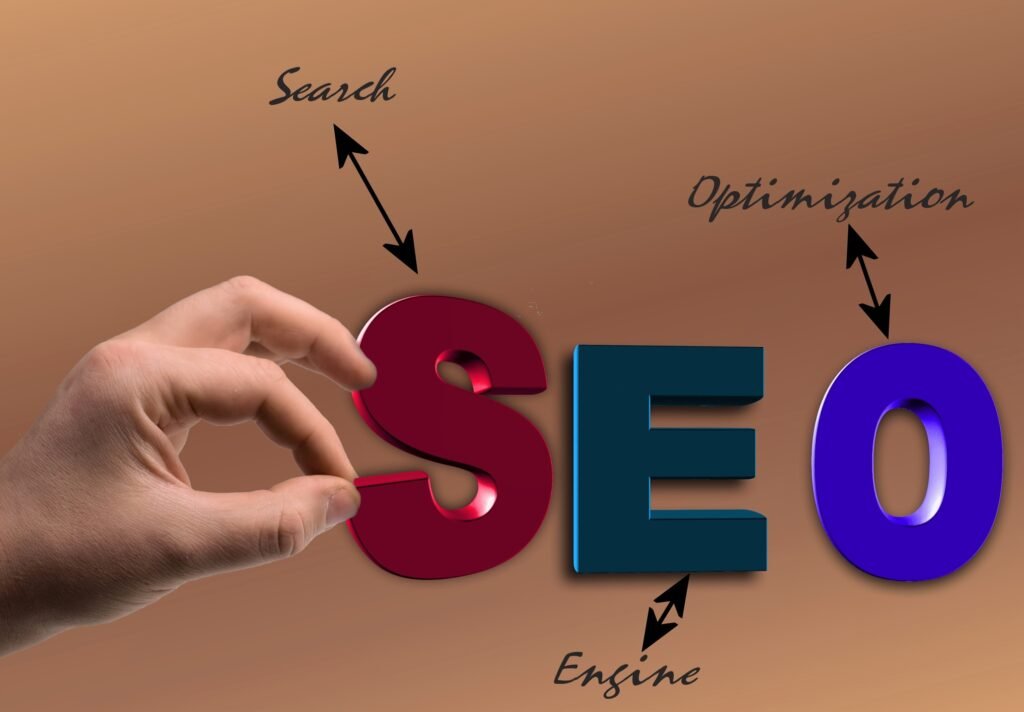
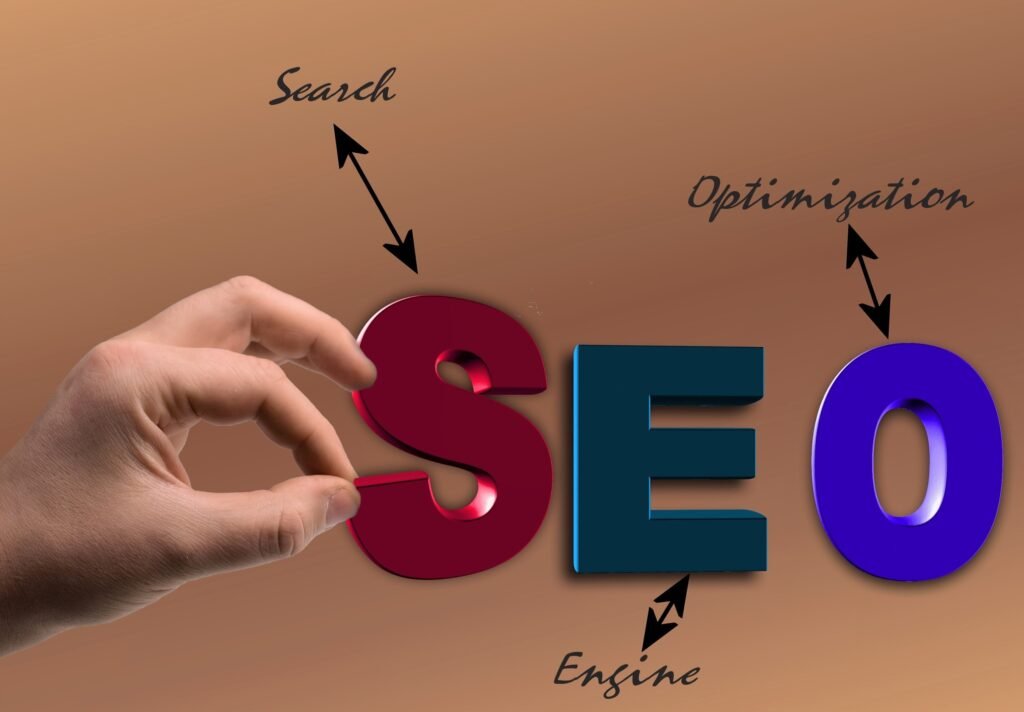
Search Engine Optimization (SEO) is a multifaceted approach designed to improve a website’s visibility on search engines like Google, Bing, and Yahoo. By understanding the fundamentals of SEO, website owners can enhance their chances of attracting visitors, even if they currently have zero traffic. At the core of SEO lies the understanding of how search engines operate. Search engines use complex algorithms to crawl, index, and rank web pages based on their relevance and authority concerning user queries.
A crucial aspect of SEO is the concept of keywords. Keywords are the terms and phrases that users input into search engines when looking for information. Identifying and integrating these keywords into website content is essential, as this aids search engines in understanding the context of each page. Long-tail keywords, which are more specific phrases, often yield higher conversion rates and are easier to rank for, particularly for new websites with limited authority.
There are two primary types of SEO to consider when optimizing a webwsite: on-page and off-page SEO. On-page SEO involves optimizing the elements within a website to improve its search visibility. This includes optimizing title tags, meta descriptions, header tags, and the website’s content itself. On-page techniques also involve ensuring that the website is user-friendly and mobile-responsive, which can enhance ranking potential.
On the other hand, off-page SEO focuses on activities outside the website that can impact its ranking in search results. This may include backlink building, social media marketing, and guest blogging. Off-page strategies help establish the credibility and authority of a website in the eyes of search engines, ultimately influencing its ability to rank well. By grasping these foundational elements of SEO, website owners can begin implementing strategies to attract visitors effectively.
Setting Up a Strong Website Structure
Establishing a solid website structure is fundamental in enhancing SEO, particularly for websites with zero visitors. A well-organized site not only improves user experience but also facilitates easier navigation for search engine crawlers. When considering website structure, multiple elements such as navigation, URL structure, and mobile responsiveness must be optimized.
Navigation is a crucial component of website design. It should be intuitive and straightforward, allowing users to locate information easily. Implementing a clear menu structure with defined categories streamlines the user experience and can reduce bounce rates. Search engines also favor easily navigable sites, as they can index content more efficiently. Including breadcrumb trails is another effective way to enhance navigation, as they provide contextual information about the user’s location within the website hierarchy.
Furthermore, URL structure plays a significant role in SEO. A clean, descriptive URL not only improves clarity for users but also helps search engines understand the content’s relevance. Ideally, URLs should include targeted keywords in a concise format, which reflects the page’s content accurately. Avoid using long strings of numbers or characters, as these can confuse both users and search engines alike. Implementing a logical hierarchy within your URLs can also aid in creating a contextual relationship between pages, leading to better indexing outcomes.
In today’s mobile-centric world, ensuring mobile responsiveness is indispensable. A website that adapts seamlessly to various screen sizes improves user engagement and is favored by search engines. Google emphasizes the importance of mobile-friendliness in its ranking criteria, making it essential for websites to provide a positive experience on mobile devices. Using responsive design templates is an effective approach to achieving this goal.
By focusing on these key aspects of website structure, site owners can create a user-friendly environment that promotes usability and enhances search engine visibility.
Keyword Research Strategies
Keyword research is a fundamental aspect of search engine optimization (SEO) that helps website owners identify the terms and phrases their target audience is actively searching for. By understanding these keywords, businesses can tailor their content to better match user intent, thereby enhancing their visibility in search engine results. There are several effective tools and techniques to facilitate keyword research, with Google Keyword Planner and Ubersuggest being two of the most popular options.
Google Keyword Planner is a robust tool designed primarily for advertisers, but it is equally useful for SEO efforts. Users can input specific keywords related to their niche, and the tool will generate a list of relevant keywords, complete with metrics like search volume and competition levels. This data allows website owners to gauge the feasibility of targeting certain keywords based on their current SEO standing and market competition.
Another valuable resource is Ubersuggest, which offers insights into keyword suggestions, search volume, and even offers a glimpse of how competitors are ranking for particular terms. The platform’s ability to showcase additional long-tail keywords makes it an excellent resource for identifying less competitive phrases that can yield significant traffic if targeted carefully. Long-tail keywords, in particular, tend to convert better due to their specificity.
In addition to utilizing tools, employing certain techniques can enhance keyword research. Analyzing competitor websites can reveal which keywords are driving their traffic, providing insight into potential opportunities for your own site. Additionally, using Google’s “People Also Ask” and “Related Searches” features can uncover queries and topics relevant to your audience, thus expanding your keyword list. Ultimately, the right combination of tools and methods will empower you to select keywords that will maximize your site’s visibility and relevance in the ever-evolving digital landscape.
Creating Quality Content
High-quality content is a cornerstone of successful SEO strategies, especially for websites starting with zero visitors. The significance of well-crafted content cannot be overstated, as it not only helps in attracting visitors but also keeps them engaged. By focusing on what audiences seek, you can address their pain points effectively, making your content more valuable and relevant.
To ensure that your content resonates with readers, it is essential to understand their needs and preferences. Start by conducting thorough audience research to identify common challenges or interests they may have. Once you determine these pain points, tailor your content to provide actionable solutions and insights. This approach builds trust and establishes your website as a go-to resource in your niche.
Another crucial aspect of quality content is the natural integration of keywords. Optimal keyword usage enhances SEO without compromising readability. Use your focus keywords strategically in titles, headings, and throughout the body of your content, ensuring they appear seamlessly within engaging narratives. Avoid keyword stuffing, as this can detract from the user experience and may lead to penalties from search engines.
Creating various content types—such as blog posts, articles, infographics, or videos—can also significantly enhance your website’s appeal. Diverse formats cater to different learning styles and preferences, keeping visitors engaged for longer periods. For instance, visually engaging infographics can simplify complex ideas, while informative blogs can provide in-depth analysis and discussions. Aim for clarity, accuracy, and a consistent tone across all formats to maintain professionalism and credibility.
Ultimately, the quality of the content you produce plays a vital role in boosting your website’s SEO performance. By focusing on creating valuable, well-researched, and engaging content, you lay the foundation for increased traffic and improved search engine rankings in the long term.
Utilizing Meta Tags and Descriptions
Meta tags are essential components of on-page SEO that can significantly influence a website’s visibility and click-through rates. Among the various types of meta tags, title tags and meta descriptions play pivotal roles in presenting content to search engines and potential visitors. A title tag serves as the headline for the page, while the meta description offers a brief summary that appears underneath the title in search engine results pages (SERPs).
To create effective title tags, it is crucial to incorporate relevant keywords pertaining to the webpage’s content. The title should be concise, ideally between 50 to 60 characters, ensuring that it is fully displayed in search results without being truncated. A well-optimized title tag not only aids search engines in understanding the context of the site but also entices users to click through. Including action-oriented language, such as “discover” or “learn,” can further enhance the appeal of the title.
On the other hand, a meta description is typically 150 to 160 characters long and serves as an invitation for users to visit the site. Effective descriptions should complement the title by summarizing the page’s key points while incorporating relevant keywords or phrases. This summary should be crafted to address the needs and interests of the target audience, providing a clear indication of the value or solution offered on the webpage.
It is important to remember that search engines like Google may sometimes generate their own descriptions based on the content of the page. Therefore, while optimizing title tags and meta descriptions is crucial, it is equally important to create high-quality content that resonates with users. By utilizing these elements effectively, websites can improve their chances of ranking higher in SERPs and attracting visitors, even starting from a position of zero traffic.
Building Backlinks to Enhance Authority
Backlinks, often referred to as inbound links, are hyperlinks from one website to another. They play a critical role in search engine optimization (SEO) by signaling to search engines the credibility and authority of a website. When reputable websites link to your content, it enhances your site’s trustworthiness and can significantly improve your rankings in search results. Therefore, understanding the importance of acquiring quality backlinks is crucial for any website aiming to boost its online presence.
One effective strategy for building backlinks is guest blogging. By contributing high-quality content to established blogs within your industry or niche, you can not only showcase your expertise but also earn valuable backlinks. Ensure that the blogs you target have a relevant audience and a solid reputation, as this will enhance the effectiveness of your efforts. Furthermore, including a link back to your site within the guest post can drive traffic and improve your site’s SEO.
Another approach involves forming partnerships with other websites or businesses. Collaborating on content, sharing each other’s resources, or even co-hosting events can lead to mutual backlink opportunities. These partnerships foster a sense of community and can result in a steady flow of inbound links, which is beneficial for both parties involved.
Utilizing social media to promote your content can also contribute significantly to acquiring backlinks. When you share content on platforms like Twitter, Facebook, or LinkedIn, it increases visibility and can encourage others to link to your website. Engaging with your audience through these channels may lead to shares and discussions, broadening the reach of your content and enhancing the potential for backlinks.
By implementing these strategies, websites can improve their authority in the eyes of search engines, leading to better rankings and increased traffic. Prioritizing the acquisition of quality backlinks is a necessary step in any comprehensive SEO strategy.
Leveraging Social Media for SEO
In the contemporary digital landscape, social media has emerged as a powerful tool not just for engagement, but also for enhancing search engine optimization (SEO). Utilizing platforms like Facebook, Twitter, and Instagram can significantly influence your website’s visibility and attract organic traffic. By strategically integrating social media into your overall marketing approach, you can create a cohesive strategy that boosts your SEO efforts.
First, it is essential to share quality content across your social media channels. Content that resonates with your audience encourages sharing, which increases backlinks and traffic to your website. When users share your posts, they not only elevate your reach but also signal to search engine algorithms that your content is valuable and relevant. Aim to develop informative articles, engaging videos, and eye-catching graphics that are more likely to be shared within your community.
Additionally, optimizing your social media profiles is crucial for improving SEO. Ensure that your profiles are complete and include relevant keywords in your bios, descriptions, and posts. This practice helps search engines understand the nature of your content and aligns it with user queries. Make a consistent effort to interact with your audience by responding to comments and questions, which fosters community engagement and can further enhance visibility.
Moreover, consider utilizing paid social media advertising to promote your content to a broader audience. Targeted ads can drive quality traffic to your site while simultaneously reinforcing your brand’s online presence. Combining organic social media posts with paid promotions can yield exponential benefits for your website’s SEO performance.
Ultimately, leveraging social media effectively can lead to increased web traffic, improved ranking in search results, and a more robust online brand presence, which collectively contribute to a successful SEO strategy.
Monitoring and Analyzing SEO Performance
Effective monitoring and analysis of your SEO performance are crucial for understanding how your website is performing in search engine results. Utilizing tools like Google Analytics and Google Search Console can provide valuable insights into your site’s traffic, user behavior, and overall SEO health. These tools enable webmasters to track various metrics that inform decision-making and guide ongoing SEO improvements.
Google Analytics is instrumental in assessing website performance. It offers a wide array of metrics to consider, including organic traffic, bounce rates, session duration, and user demographics. By analyzing these data points, you can gauge how well your SEO strategies are attracting visitors. Pay special attention to organic search traffic, as it directly reflects the effectiveness of your SEO efforts. Additionally, the bounce rate indicates whether your website meets visitor expectations or if adjustments are necessary to improve user experience.
On the other hand, Google Search Console provides insights into how your website appears in search results. It displays important metrics such as click-through rates (CTR), impressions, and average position for various keywords. Understanding these metrics allows you to identify which queries are driving traffic and how your site ranks for specific keywords. Regularly reviewing the performance of your website in Search Console will help you refine your keyword strategy and prioritize content creation that aligns with user search behavior.
When monitoring your SEO performance, it’s also beneficial to track site speed, mobile responsiveness, and indexing issues, as these factors significantly impact user experience and search rankings. Interpreting this data effectively enables webmasters to make informed adjustments, ensuring continuous improvement and a better chance of increasing organic traffic over time.
Staying Updated with SEO Trends
In the ever-evolving landscape of digital marketing, staying updated with the latest SEO trends is crucial for any website aiming to increase its visibility. Search engine algorithms undergo frequent updates that can drastically affect ranking criteria and, consequently, traffic. Understanding these changes is essential for maintaining an effective SEO strategy. Therefore, continuous education through reliable resources is imperative for website owners and marketers alike.
One of the foremost ways to keep abreast of SEO trends is by following reputable blogs dedicated to digital marketing and search engine optimization. Websites such as Moz, Search Engine Journal, and Neil Patel’s blog consistently publish insightful articles detailing recent algorithm changes, best practices, and strategies that can bolster your SEO efforts. Engaging with these resources allows you to remain informed about key developments in the industry, ensuring your strategies are in line with current expectations.
Online forums, such as Reddit’s SEO community or specialized platforms like Warrior Forum, provide a platform for discussions among SEO practitioners. These forums are valuable for sharing experiences and insights related to recent updates or innovative strategies. Such interactions can also foster a sense of community where members can seek assistance with specific challenges they may face in their SEO practices.
Another effective strategy is subscribing to newsletters from leading digital marketing experts and organizations. These newsletters often contain curated content, summarizing the most important updates and offering strategic insights. By having this information directly delivered to your inbox, you can efficiently monitor changes in the SEO landscape without extensive research efforts.
In conclusion, staying updated with SEO trends is not merely beneficial; it is a necessity for maintaining an effective online presence. Utilizing blogs, forums, and newsletters will provide the necessary knowledge to adapt to changing algorithms and optimize your website’s performance. Regular engagement with these resources can significantly enhance your SEO strategies over time.
About the Author