Introduction to the Internet
The Internet stands as a pivotal innovation of the modern age, fundamentally transforming how individuals and organizations communicate, share information, and conduct business. At its core, the Internet is a global network that interconnects millions of private, public, academic, business, and government networks, enabling the seamless exchange of data across the globe. This expansive network utilizes standardized communication protocols, such as Transmission Control Protocol (TCP) and Internet Protocol (IP), to facilitate reliable data transmission, allowing a diverse range of devices to connect and communicate.
The significance of the Internet in contemporary society cannot be overstated. It serves as a vital infrastructure that supports various applications, from email and social networking to e-commerce and online education. Furthermore, it has democratized access to information, empowering individuals with knowledge and resources previously confined to specific geographic areas or institutions. Today, the Internet is a lifeline for many, enabling remote work, fostering innovation, and contributing to economic growth across various sectors.
Moreover, the Internet’s intricate web of connectivity not only enhances individual user experiences but also transforms global communication. As of 2023, billions of users engage with the Internet daily, utilizing diverse devices such as smartphones, tablets, and computers to access a plethora of content and services. These users are not merely passive consumers; they actively contribute to the vast pool of online content and share their unique perspectives, participating in a dynamic digital ecosystem. In this digital age, understanding the Internet’s origin, functionality, and the role of its first users is crucial to appreciating how deeply embedded it is in the fabric of modern civilization.
The Evolution of the Internet
The inception of the internet can be traced back to the 1960s with the creation of ARPANET, a pioneering network established by the United States Department of Defense. This groundbreaking project was designed to allow multiple computers to communicate effectively using a method known as packet switching. Unlike traditional circuit-switched networks, where a dedicated circuit is maintained for the duration of a communication session, packet switching breaks data into packets that can travel independently and be routed dynamically. This innovative approach not only made the network more robust but also laid the groundwork for modern networking.
In the 1970s, further advancements emerged, prominently through the introduction of the Transmission Control Protocol/Internet Protocol (TCP/IP) in the early 1980s. TCP/IP became the standard networking protocol, enabling diverse networks to connect and communicate with each other seamlessly. This marked a significant milestone in the evolution of the internet, facilitating an era of interconnected networks, effectively creating what we now refer to as the Internet. With TCP/IP, the previously isolated networks could link, resulting in a more expansive and versatile communication system.
The next pivotal development occurred in the early 1990s with the advent of the World Wide Web, created by Tim Berners-Lee. This innovative system allowed users to access and share information through hypertext documents and introduced browsers that simplified navigation. The World Wide Web revolutionized the way information was disseminated and consumed, making the internet accessible to a broader audience. As users began to create and consume content more actively, the framework of the internet architectural design shifted towards supporting larger amounts of data and enhanced interactivity. Over the decades, the internet has continued its rapid evolution, remaining a central element in modern society’s structure.
How Does the Internet Work?
The internet is a vast network of interconnected devices that communicate using standardized protocols. At its core, it operates on a client-server model, where clients, such as personal computers or mobile devices, request resources from servers that store and manage data. This interaction is fundamental to how the users access information, services, and applications online.
When a user initiates a request, such as entering a website URL into a browser, the client sends a request to a web server through the internet. This transmission of data occurs in small units known as data packets. Each packet contains both the data being sent and headers that provide routing information, allowing it to reach its destination efficiently. Once these packets arrive at the server, they are reassembled, and the corresponding web page or content is sent back to the client in similar packets.
The role of Internet Service Providers (ISPs) is crucial in this process. ISPs connect individual users to the larger internet infrastructure, allowing access to various networks and the global web. They facilitate data transmission, ensuring that users can send and receive information promptly and reliably. ISPs also manage complex routing systems that determine the best paths for data packets to travel across networks.
Another important aspect of how the internet functions is the use of protocols, particularly the Transmission Control Protocol (TCP) and Internet Protocol (IP), commonly referred to as TCP/IP. These protocols govern the interactions between devices connected to the internet. TCP ensures that data packets are transmitted complete and in the correct sequence, while IP handles the addressing, directing the packets to their proper destinations. Understanding these fundamental principles helps elucidate the complexity behind how the internet operates today, serving millions of users worldwide.
Components of the Internet
The internet, a complex and essential component of modern communication, is built upon several key elements that work together to facilitate connectivity and data exchange. Among these, routers and switches serve as fundamental building blocks. Routers are devices that forward data packets between computer networks, directing traffic to ensure that data reaches its intended destination efficiently. Switches, on the other hand, operate within a local area network (LAN) and connect devices within that network, managing data flow more effectively by reducing congestion and maximizing bandwidth utilization.
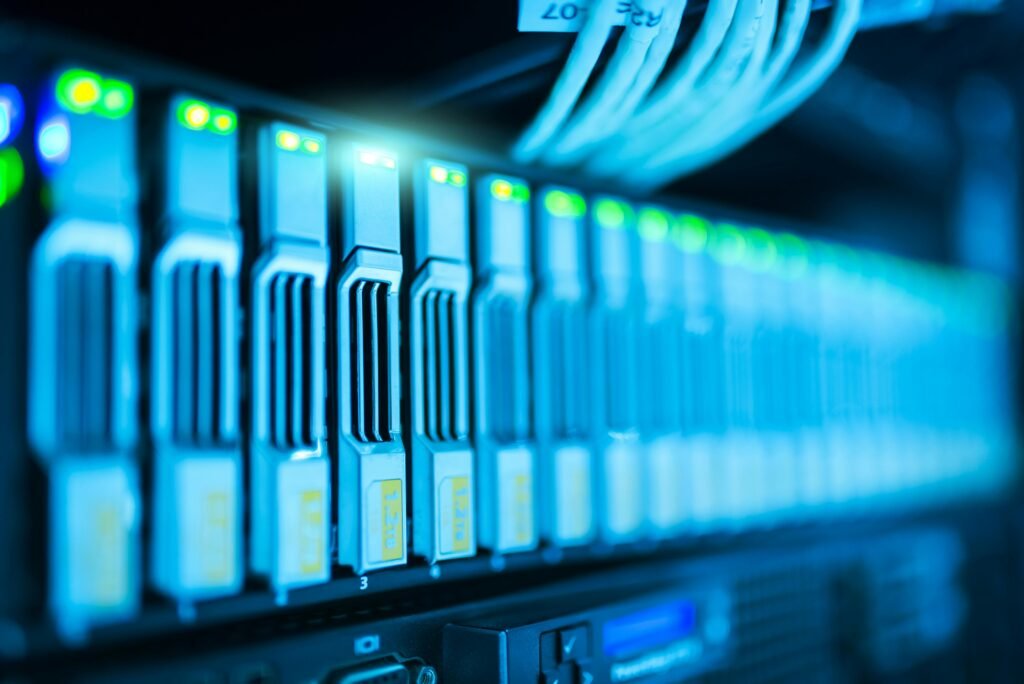
Data centers represent another critical component of the internet infrastructure. These facilities house servers, storage systems, and networking equipment necessary for hosting websites and applications. They provide the necessary computing power to manage vast amounts of data, supporting cloud services, online platforms, and an array of digital services. The design and operation of data centers play a significant role in optimizing performance and ensuring minimal downtime, which are crucial for providing seamless user experiences.
Additionally, undersea cables connect continents, forming the backbone of international internet connectivity. These cables transmit vast quantities of data across oceans, linking different regions and enabling global communication. The significance of these cables cannot be overstated, as they facilitate not only everyday internet use but also critical functions such as global commerce, research collaboration, and data transfer across borders.
Networking technologies, including Wi-Fi and mobile data, greatly enhance users’ connectivity experience. Wi-Fi networks allow devices to connect to the internet wirelessly, providing convenience and mobility for users in various environments. Similarly, mobile data enables internet access on smartphones and tablets, making online services accessible regardless of location. Together, these components create a robust internet infrastructure that supports the diverse needs of users worldwide.
The First Internet Users
The inception of the internet can be traced back to the late 1960s when the United States emerged as the birthplace of this revolutionary technology. Initially developed as ARPANET, the internet was funded by the U.S. Department of Defense, primarily to facilitate communication among research institutions and universities. The pioneering nature of this network laid the groundwork for future global connectivity. Through it, researchers found a means to share information and collaborate on various projects seamlessly.
The first users of the internet were predominantly academic and research professionals. Institutions such as Stanford Research Institute, UCLA, and the University of California, Santa Barbara played instrumental roles in connecting to ARPANET. These universities became testing grounds for this new digital frontier, experimenting with ways to send and receive data. The initial user base was quite small, consisting of scientists, engineers, and administrators who recognized the potential of this new communication tool.
By the early 1970s, as more research institutions began to connect to ARPANET, the number of users gradually increased. This expansion was critical to demonstrating the internet’s utility beyond military applications. The collaborative projects and academic exchanges taking place within this network marked a significant turning point in how information was shared across different scientific communities. The rise of email as a practical application also contributed to increased adoption, as it offered users a direct and efficient method for digital communication.
The United States, with its emphasis on higher education and research, would continue to lead the way in internet development. The framework established during the 1970s and 1980s would ultimately pave the path for the internet as we know it today. Understanding the role of these first users sheds light on the digital landscape we navigate in modern society.
Impact of the Internet Globally
The advent of the internet has fundamentally transformed global communication, commerce, and access to information. Prior to its widespread use, information dissemination was limited, often requiring physical copies of books, newspapers, and magazines or face-to-face interactions. Now, with a few clicks, individuals can access a wealth of information from diverse sources across the globe. This immediate access has bridged geographical barriers, enabling real-time communication and collaboration between people in different parts of the world.
In the realm of commerce, the internet has revolutionized how businesses operate. The rise of e-commerce has enabled companies of all sizes to reach a global audience, breaking down the traditional constraints of physical storefronts. Businesses can now sell products and services online, allowing consumers to enjoy greater convenience and choice. Furthermore, the internet has facilitated the emergence of digital marketing strategies, allowing companies to target specific demographics effectively and engage with customers in innovative ways.
Access to education has also been profoundly influenced by the internet. Online learning platforms have democratized education, making it accessible to individuals who may not have had the opportunity to attend traditional schools or universities. This shift has empowered learners of all ages to pursue knowledge at their own pace and on their own terms. Similarly, the healthcare sector has benefited from the internet, enhancing telemedicine services that allow patients to consult with healthcare professionals remotely. This expands healthcare access, particularly for those in rural or underserved areas.
Thus, the internet’s impact is multifaceted, bringing about significant changes in how people interact, conduct business, and access vital services. As this technological revolution continues to evolve, its influence on global dynamics will likely grow even more profound.
Internet Accessibility and Digital Divide
The advent of the internet has revolutionized the way information is shared and consumed, yet significant disparities in access persist, highlighting a digital divide that affects various regions, cultures, and socioeconomic groups. Internet accessibility is not uniform, and factors such as geographical location, income level, and education contribute to an uneven digital landscape. Rural areas in developing countries often lack the infrastructure required for reliable internet service, while urban centers typically enjoy faster connectivity and better resources, resulting in stark contrasts in accessibility.
This digital divide has profound implications. It limits opportunities for education, economic growth, and social participation for those without reliable internet access. Students in underprivileged areas may struggle to complete assignments or access educational resources, widening the educational gap with their more advantaged peers. Similarly, individuals seeking employment or starting a business find that a lack of internet connectivity restricts their capabilities and competitiveness. These disparities contribute to ongoing cycles of poverty and exclusion, underscoring the importance of bridging the gap.
Numerous initiatives aim to address these challenges and provide equitable internet access. Governments, non-profit organizations, and private sectors are working together to expand infrastructure in underserved areas, deploy wireless technologies, and promote low-cost internet solutions. Programs focusing on digital literacy are also essential, equipping communities with the skills necessary to navigate the internet effectively. Efforts such as these are vital in ensuring that everyone, regardless of their background or location, has the opportunity to benefit from the potential of the internet.
Bridging the digital divide remains a pressing issue in today’s increasingly interconnected world. Addressing it effectively will require collaboration between various stakeholders and innovative solutions to enhance global internet accessibility.
Future Trends of the Internet
The evolution of the internet continues to shape not only how individuals communicate but also how societies function as a whole. One of the most significant advancements currently transforming the internet landscape is the rollout of 5G technology. This next generation of mobile network promises to offer unprecedented speeds, lower latency, and increased connectivity. As a result, consumers and businesses alike may experience a more responsive online environment, facilitating smoother video conferencing, enhanced gaming experiences, and faster downloads.
Moreover, the integration of the Internet of Things (IoT) represents another pivotal trend affecting the future of the internet. IoT encompasses a network of interconnected devices that communicate with each other to share data and streamline processes. This technology extends beyond ordinary appliances; it includes smart cities, health monitoring systems, and even autonomous vehicles. As these innovations proliferate, the demand for robust internet connectivity will grow exponentially, urging the development of infrastructure that can support this wave of digital interactivity.
Another notable trend is the increasing emphasis on internet security and privacy. As more devices connect to the internet, the potential for cyber threats rises correspondingly. Emerging technologies such as blockchain and advanced encryption methods are being developed to enhance data security, enabling users to trust that their online interactions are protected from malicious actors. Furthermore, regulatory measures are also evolving to ensure that users’ data is handled ethically and responsibly.
Finally, as remote work and digital engagement become ingrained in daily life, societal structures will undoubtedly reflect the changes ushered in by these technological advancements. The future of the internet presents both opportunities and challenges that will require collaborative efforts between governments, industries, and consumers to ensure that the digital world remains a beneficial space for all.
Conclusion
Understanding the internet is crucial for navigating our modern world, where it plays an integral role in everyday life. This blog post has explored the origins of the internet, tracing back to its roots in military and academic networks. It highlights how the internet has evolved dramatically from a niche communication tool to a global necessity, facilitating access to information, social interaction, and commerce.
The importance of internet functionality has become increasingly apparent as we rely on it for various aspects of life. From education to healthcare, the internet serves as a pivotal platform that connects individuals and organizations worldwide. With the growth of Internet of Things (IoT) devices and the advancement of technologies such as 5G, the internet’s functionality is poised to expand, promising greater connectivity and efficiency in our daily activities.
Moreover, understanding the first users of the internet provides valuable context regarding its impact on society. The shift from a primarily research-focused tool to one embraced by the general public illustrates how digital communication has transformed human interaction, commerce, and information dissemination. It is essential for users to recognize the implications of their internet activities, emphasizing the importance of digital literacy and cybersecurity awareness in this digital age.
As we reflect on our internet usage, it is vital to consider how our interactions with this powerful tool shape our lives. The internet is not simply a resource; it is a dynamic environment that influences how we communicate, learn, and conduct business. Therefore, appreciating its complexities is fundamental to making informed decisions about our online presence and engagement moving forward. The journey of the internet is ongoing, and so is our role in shaping its future.
About the Author