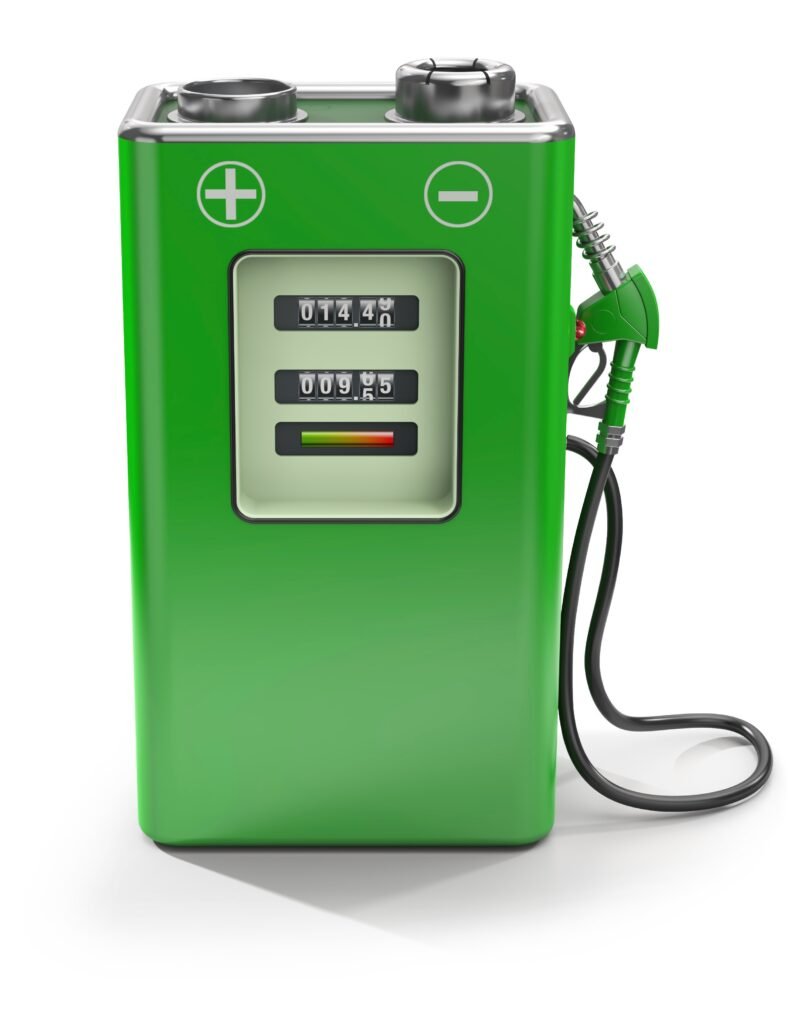
Introduction to Electric Car Batteries
Electric car batteries are a critical component of electric vehicles (EVs), serving as the primary energy source for propulsion. Unlike conventional internal combustion engines that rely on gasoline or diesel, electric vehicles utilize batteries to store and supply the electrical energy needed for operation. The effectiveness and efficiency of these batteries significantly influence the performance, range, and overall sustainability of electric transportation.
At the heart of electric car batteries is the technology that enables them to store large amounts of energy in a compact form. The most common type of battery used in electric vehicles is the lithium-ion battery. This technology offers an excellent balance between energy density, lifespan, and recharge cycles, making it the preferred choice for many EV manufacturers. In addition to lithium-ion, there are other battery types, such as nickel-metal hydride (NiMH) and solid-state batteries, each with unique characteristics and applications.
The role of electric car batteries goes beyond merely powering the vehicle. These batteries play a crucial role in the broader context of energy sustainability. With growing concerns over carbon emissions and the finite nature of fossil fuels, electric vehicles present a viable alternative, particularly when charged using renewable energy sources. Moreover, advancements in battery technology are facilitating longer ranges, faster charging, and improved recyclability, all of which enhance the appeal of EVs in the marketplace.
Understanding electric car batteries entails examining how they function, their respective types, and their impact on environmental sustainability. As we delve deeper into this guide, it becomes clear that electric car batteries are not just components of an electric vehicle; they are integral to the future of mobility and ecological responsibility.
Types of Electric Car Batteries: Lithium-ion vs. Others
The landscape of electric vehicle (EV) batteries encompasses several types of technologies, each with its own set of characteristics. Among these, lithium-ion batteries stand out as the most prevalent and preferred option in modern electric cars. This is primarily due to their high energy density, light weight, and relatively long life span. Their capacity to hold more charge, compared to alternative battery types, allows EVs to travel greater distances on a single charge, making them an attractive choice for consumers.
In contrast, lead-acid batteries, the oldest type in use, are frequently found in starter motors for conventional vehicles. While they are cheaper and easily recyclable, they are significantly heavier and possess lower energy density, restricting their applicability in electric vehicles, especially when higher efficiency and range are required.
Another prominent alternative is the nickel-metal hydride (NiMH) battery, which was widely used in hybrid vehicles. Although they offer a better performance compared to lead-acid batteries, NiMH technology has largely been overshadowed by lithium-ion batteries, which continue to improve and decrease in cost. NiMH batteries have lower energy density and a higher self-discharge rate, which further detracts from their competitiveness in the rapidly evolving EV market.
Recently, solid-state batteries have garnered attention as a potential future option for electric vehicles. These batteries offer enhanced safety and higher energy density due to their solid electrolyte, reducing the risk of flammability associated with liquid electrolyte systems. Nevertheless, this technology is still in development and has yet to be implemented widely in the automotive industry.
Ultimately, lithium-ion batteries dominate the electric vehicle segment, benefiting from continual innovations that enhance their performance and reduce costs, solidifying their position as the industry standard in electric car battery technology.
The Structure of an Electric Car Battery
The physical structure of an electric car battery is fundamental to its function and performance. An electric vehicle (EV) battery is typically composed of several key components: cells, modules, and packs. Each of these elements plays a critical role in the battery’s ability to store and deliver energy efficiently.
At the core of an electric car battery are the individual cells. Each cell is a basic unit that converts chemical energy into electrical energy, using materials such as lithium-ion, nickel-cobalt, and graphite. These cells generate an electric current when electrons flow from one electrode to the other during the discharge process. The energy capacity of the battery is largely determined by the quantity and type of these cells. A typical battery may consist of thousands of these cells, arranged in a configuration that optimizes performance.
To enhance efficiency, cells are grouped into modules. A module contains multiple cells connected together in series or parallel configurations to increase voltage and capacity. The design of these modules is crucial, as they also provide additional thermal management, ensuring that the battery operates within a safe temperature range. Effective thermal management minimizes the risk of overheating, improving battery longevity and performance.
The final assembly is the battery pack, which comprises several modules encased in a protective housing. The pack not only consolidates the individual modules but also integrates essential components such as battery management systems, which monitor and control the performance and safety of the battery. Furthermore, the design of the battery pack takes into consideration structural integrity, ensuring it withstands the rigors of daily driving, impacts, and environmental conditions.
In summary, the structure of an electric car battery, encompassing its cells, modules, and packs, is vital for achieving high efficiency and safety standards in electric vehicles. Understanding these structural components allows for better insights into the performance capabilities of electric car batteries.
The Chemistry Behind Electric Car Batteries
The functioning of electric car batteries is rooted in the principles of electrochemistry, which focuses on the interplay between electricity and chemical reactions. At the core of electric vehicle (EV) battery technology, lithium-ion batteries are prominent due to their ability to store and release energy efficiently. The fundamental chemistry involved in these batteries includes the movement of lithium ions between the positive electrode (cathode) and the negative electrode (anode) during the charge and discharge cycles.
During the discharging process, when the battery supplies power to the vehicle, lithium ions migrate from the anode to the cathode. This movement is facilitated by the electrolyte, which acts as a medium allowing ions to flow while preventing the passage of electrons. As the lithium ions move toward the cathode, electrons are released through an external circuit, providing electrical power to the motor of the electric car. Conversely, when charging occurs, the reverse process takes place; lithium ions move back to the anode. This charge cycle is crucial for the long-term performance of the battery.
Understanding this chemistry is essential for grasping how electric vehicles achieve operational efficacy. The electrodes’ materials significantly influence the battery’s energy density, lifespan, and environmental impact. For instance, using cathode materials like nickel manganese cobalt can enhance energy capacity, but involves complex trade-offs regarding cost and sustainability. Meanwhile, advancements are continually being made in developing solid-state electrolytes, which promise to enhance safety and performance by minimizing risks such as battery leaks or thermal runaway.
In summary, the chemistry behind electric car batteries encompasses a unique blend of ionic movement and electrochemical processes that are fundamental to the operation of electric vehicles. The ongoing research aims to optimize these chemical reactions, thereby improving the batteries’ performance, safety, and eco-friendliness in the evolving automotive landscape.
Battery Management Systems (BMS) and Their Importance
Battery Management Systems (BMS) play a crucial role in the operation and longevity of electric car batteries. At their core, BMS are responsible for monitoring and managing the performance of the battery pack. This ensures that each individual cell operates within safe limits, thus maximizing safety and efficiency. A well-designed BMS communicates vital information such as state of charge (SoC), state of health (SoH), and temperature of the individual cells, allowing for proactive adjustments and interventions.
One of the primary functions of a BMS is to protect against overcharging and overheating, which can lead to battery failure or even fire hazards. By constantly assessing the voltage and temperature levels of the battery, the BMS can limit the charging rate when necessary, thus safeguarding the battery’s integrity. Additionally, in the event of any irregularities, the BMS will take actions such as disconnecting the battery from the charging source to prevent catastrophic failures.
Moreover, the BMS enhances battery life by maintaining optimal operating conditions. By balancing the charge between cells, the system ensures that no cell is over or undercharged, which can lead to premature degradation. This balance extends the overall lifespan of the battery pack, making electric cars more reliable and cost-effective in the long run.
Finally, BMS provides valuable data both to the driver and the manufacturer. Drivers benefit from insights regarding battery performance, enabling them to strategize their charging habits effectively. Manufacturers use this data to monitor battery health across their fleet and assess performance metrics that can inform future designs and technologies.
Charging Electric Car Batteries: Methods and Infrastructure
Charging electric car batteries is a fundamental aspect of electric vehicle (EV) ownership. Understanding the different charging methods can significantly influence the overall efficiency and convenience of using an EV. The primary charging methods include Level 1, Level 2, and DC fast charging, each offering unique benefits and drawbacks.
Level 1 charging utilizes a standard 120-volt outlet, which is commonly found in residential homes. This method is the most accessible, as it requires no special equipment. However, it is the slowest form of charging, often taking up to 12 hours to fully recharge a battery, making it suitable mainly for overnight charging.
Level 2 charging involves a 240-volt outlet, typically requiring a dedicated charging station installation. This method significantly reduces charging time to about four to six hours for a full charge. Many public charging stations are equipped with Level 2 chargers, making it a practical option for those who need a quicker energy boost while on the go.
DC fast charging is the fastest method available, capable of recharging an electric car to 80% in approximately 30 minutes, depending on the battery capacity and the charger itself. DC fast chargers are primarily found in commercial charging stations along highways or urban areas, allowing for convenient, long-distance travel.
The infrastructure supporting these charging methods is crucial for the widespread adoption of electric vehicles. Charging stations are becoming more prevalent, backed by initiatives from both private and public sectors. As charging technology continues to advance, the electric car market stands to benefit, with increased range and reduced charging times. This transition towards an improved charging infrastructure will enhance the overall experience for electric vehicle users.
Battery Life: Lifespan, Degradation, and Factors Affecting Performance
The lifespan of electric car batteries is a critical consideration for vehicle owners, as it directly influences performance, range, and overall cost of ownership. Typically, the lifespan of electric vehicle (EV) batteries ranges from 8 to 15 years, depending on several factors including usage patterns, environmental conditions, and battery technology. Understanding these factors can help users maximize the longevity and efficiency of their electric car batteries.
One major factor affecting battery performance is temperature. Extreme heat can accelerate the degradation process, leading to reduced capacity and shorter life spans. Conversely, extremely cold conditions can diminish the battery’s ability to deliver power effectively, causing temporary performance issues. It is beneficial for EV owners to store and charge their vehicles in a controlled climate whenever possible, to protect battery health.
Charging habits also play a significant role in battery degradation. Frequently charging to 100% or allowing the battery to deplete completely can strain the cells, potentially shortening the overall life of the battery. Ideally, EV owners should aim to keep their batteries in a state of charge between 20% and 80%, which can help mitigate stress and promote a longer lifespan.
Driving conditions are another element influencing battery performance. Frequent stop-and-go driving or accelerating rapidly can lead to increased energy consumption, impacting the efficiency of the battery. Smooth driving habits, in contrast, can enhance the effectiveness of energy use and subsequently improve battery life. In conclusion, by understanding these factors—temperature effects, charging habits, and driving conditions—owners can take proactive measures to maintain their electric vehicle batteries effectively and enjoy a longer-lasting driving experience.
Recycling and Sustainability of Electric Car Batteries
The increasing popularity of electric vehicles (EVs) has raised significant attention towards the environmental impacts associated with electric car batteries. As these batteries reach the end of their life cycle, sustainable recycling processes have become essential to mitigate environmental harm. Recycling not only reduces the need for raw materials but also minimizes waste, promoting a circular economy in battery production.
One of the primary components in electric car batteries is lithium-ion, which contains valuable materials such as lithium, cobalt, and nickel. Advanced recycling techniques are now being developed that can recover these materials, significantly lessening the environmental footprint of mining new resources. The recycling process typically involves collection, sorting, and treatment of spent batteries, extracting useful components while ensuring safe disposal of hazardous substances.
Moreover, the sustainability of battery production extends beyond recycling. Manufacturers are increasingly focusing on using cleaner production methods that utilize renewable energy, improving the sustainability of the entire battery lifecycle. This transition to greener manufacturing practices not only enhances the environmental performance of batteries but also helps in building public trust towards electric vehicles as environmentally friendly alternatives.
In addition, several initiatives and programs are underway globally to improve the lifecycle management of EV batteries. These initiatives include establishing standardized recycling processes and incentivizing consumers to return their spent batteries. By fostering partnerships between manufacturers, researchers, and recycling companies, stakeholders can create comprehensive systems aimed at effective battery end-of-life management.
In summary, the recycling and sustainability of electric car batteries are integral to minimizing their environmental impact. Through advanced recycling technologies, sustainable manufacturing practices, and collaborative initiatives, the EV industry can make significant strides towards a greener future, ensuring that electric vehicles contribute positively to environmental sustainability.
The Future of Electric Car Batteries: Innovations and Trends
The landscape of electric car batteries is poised for significant transformation, driven by relentless innovation and technological advancements. As the demand for electric vehicles (EVs) continues to surge, researchers and manufacturers are focusing on developing next-generation battery technologies that promise enhanced performance, cost-efficiency, and environmental sustainability. One of the most promising areas of innovation is the transition from conventional lithium-ion batteries to solid-state batteries. Unlike their liquid-based counterparts, solid-state batteries utilize solid electrolytes, which may lead to higher energy densities, improved safety, and faster charging times.
Moreover, advancements in battery chemistry are also being explored. For instance, lithium-sulfur and lithium-air batteries are being researched for their potential to provide higher capacities and lighter weights compared to lithium-ion technology. Companies are investing heavily in these technologies, anticipating that they will reduce dependence on finite resources while increasing battery lifespan and efficiency.
Additionally, the integration of renewable energy sources, such as solar and wind, is expected to play a crucial role in the future of electric car batteries. As grids become more sustainable, the need for energy storage solutions that can leverage renewable energy efficiently becomes paramount. This evolution not only supports the charging of EVs from clean sources but also aids in balancing grid demands, thereby facilitating a greener ecosystem.
As we look ahead, it is clear that the electric car battery sector is on the brink of significant advancements. The trends of solid-state initiatives, innovative chemistries, and renewable energy integrations indicate a future where electric vehicles are powered more sustainably and efficiently than ever before. This drive towards innovation will not only transform the automotive industry but also contribute significantly to global sustainability efforts.
About the Author